From a small wall fan to large ducted fresh-air handling units — ventilation designed to suit any need.
Heat recovery ventilation transfers heat from the air being extracted from a building to the incoming fresh air, so the building loses less energy. It can recover up to approximately 50% of the energy in the extract airstream. Plate heat exchangers are the most common type and keep the two airstreams separate.
Opening a window does provide ventilation, but it wastes energy — in winter, heat and humidity are lost; in summer, cooled air is replaced by warm air from outside. The result is undesirable for both indoor climate and energy efficiency, forcing HVAC systems to work overtime to compensate.
Cool Stream Ventilation can design a ventilation system to suit any need, from a small fan in the wall to large ducted fresh air handling units used alongside air conditioning to keep you at the right temperature while keeping your environment fresh.
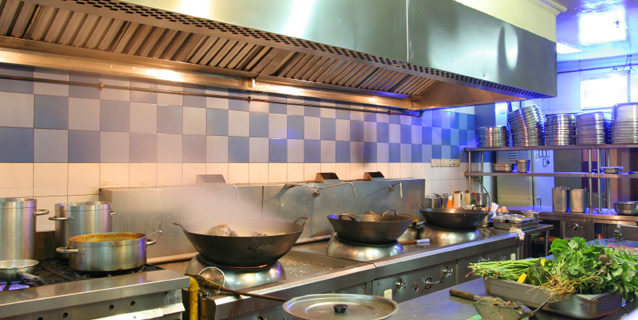

Target ventilation systems provide a cooling effect by directing tempered fresh air to areas that operatives occupy frequently, offering temporary respite from uncomfortable surrounding areas. Natural ventilation systems take advantage of convection currents created by air at different temperatures, widely used for office building atria — though for commercial and industrial applications, natural ventilation is extremely limited, as mechanical assistance is usually required to move air through ducted systems. It's important that any extract system is balanced by an input or make-up air system to maintain the displaced extract air.
Heat pumps and heat recovery ventilation systems provide more environmentally friendly ways of controlling air temperature indoors — vital for new large buildings, office blocks, shops and restaurants requiring healthy air quality.
Extract energy recoverable via heat recovery
Heat exchanger — the most common heat recovery type
Coil systems used where input/extract are remote
Cross-contamination between air streams
Heat recovery enables a system to recover up to approximately 50% of the energy from the extract airstream of a ventilation system. As environmental issues become increasingly influential in mechanical ventilation design, a heat recovery facility can contribute to considerable energy savings and reduced carbon emissions. The most common type used is the plate heat exchanger, transferring energy from one air stream to another with no cross-contamination; where input and extract systems are remote from each other, a run-around coil system can overcome practical installation issues.
A noticeably fresher, more comfortable space.
Oxygen levels increased, CO2 levels reduced with fresh air.
Fumes, smoke, odours and dusts are controlled.
Input air balances extract for a stable system.
Ventilation replaces stale, warm, humid or contaminated air with fresh air. In a commercial building it controls moisture and odour, keeps carbon dioxide and other pollutants down, removes heat from equipment and people, and supports the air conditioning. Employers also have a legal duty under the Workplace (Health, Safety and Welfare) Regulations 1992 to provide effective and suitable ventilation in every enclosed workplace.
Opening a window is not a design. In winter it wastes heat and lets humidity out; in summer it replaces cooled air with warm air from outside, so HVAC systems work overtime. A planned system moves the right amount of air, to the right places, under control.
| Approach | How it works | Typical uses |
|---|---|---|
| Natural | Air moves through openings driven by wind and temperature | Small, simple spaces where it can be relied on |
| Extract only | Fans remove stale air, make-up air enters through grilles or gaps | Toilets, small kitchens, plant rooms, stores |
| Supply only | Fans bring in filtered air, which pushes stale air out | Rooms needing positive pressure or filtered fresh air |
| Balanced supply and extract | Fans do both, often through a heat recovery unit | Offices, restaurants, shops and larger buildings |
Whichever approach you choose, an extract ventilation system should be balanced by an input or make-up air system to replace the displaced extract air. Unbalanced systems are the root of many complaints: slamming doors, whistling gaps, cold draughts and fumes drawn back from other rooms.
Heat recovery lets the outgoing stale air pre-warm (or pre-cool) the incoming fresh air through a heat exchanger. A system can recover up to approximately 50% of the energy from the extract airstream, contributing to energy savings and lower carbon emissions. Savings depend on running hours, climate and how well the system is controlled, so we assess each building rather than promise a number. Heat recovery suits buildings that run for long hours with steady fresh air demand, such as offices, restaurants dining areas and shops. Read how heat recovery ventilation reduces energy costs.
Heat recovery is not suitable for every airstream. Grease-laden kitchen extract needs separate treatment; see kitchen extraction.
We design everything from a small fan in the wall to large ducted fresh-air handling units used alongside air conditioning.
Good ventilation design pays attention to three things people only notice when they go wrong. Noise: fans, grilles and duct velocities have to suit the room, so we select and attenuate accordingly. Ductwork: routes, sizes, insulation and access affect both performance and running cost. Controls: timers, CO2 or occupancy sensing and boost modes stop fans running at full speed when nobody is there. We design ventilation alongside any air conditioning so the two work together.
The choice usually comes down to how much fresh air the building needs, how long it is occupied and how far you want to go on energy. Small spaces with light occupancy may be well served by extract fans and make-up grilles. Offices, restaurants and shops with long opening hours often justify balanced supply and extract with heat recovery, because the energy saved on conditioned air adds up over the year. Rooms with heavy heat loads call for air conditioning in addition to ventilation. We assess the building, agree the design strategy with you and provide scheme drawings and a quotation. See our heat recovery guide and air conditioning.
Ventilation has to be tested after installation, balanced so each room gets its design airflow, and then maintained. Filters need changing, fans and belts need checking and coils need cleaning. Our planned maintenance covers air handling units and associated plant.
We design commercial ventilation, supply the equipment as part of the system, install it and commission it, so one contractor stays accountable from survey to hand-over. If you are choosing between suppliers, our guides on how to choose a commercial ventilation supplier and installer, what to expect from a survey and commercial extract fans explain what to ask. For offices and shops, see employer ventilation duties.
Opening a window wastes energy: in winter heat and humidity are lost, and in summer cooled air is replaced with warm air from outside, so HVAC systems work overtime.
Heat recovery enables a system to recover up to approximately 50% of the energy from the extract airstream, contributing to energy savings and lower carbon emissions.
An extract ventilation system should be balanced by an input or make-up air system to replace the displaced extract air.
Yes. From a small fan in the wall to large ducted fresh air handling units used alongside air conditioning.
Ventilation exchanges stale indoor air with fresh outdoor air. Air conditioning cools (and sometimes heats) the air in a space. Many commercial buildings need both, designed to work together.
Yes. The Workplace (Health, Safety and Welfare) Regulations 1992 require effective and suitable ventilation in every enclosed workplace.
Make-up air is the fresh air supplied to replace air removed by extract fans. Without it, extract systems cannot perform properly.
Heat recovery can recover up to approximately 50% of the energy from the extract airstream. Actual savings depend on the building and how long the system runs.
Opening a window wastes heat in winter and imports warm air in summer, and gives no control over how much air moves. A designed system is more efficient and consistent.
Yes, from a small wall fan to large ducted fresh air handling units used alongside air conditioning.
Yes, and it usually should be. Fresh air is delivered through ducted units or heat recovery while the air conditioning handles the cooling load.
Filters, fans and controls should be checked on a planned schedule set by the manufacturer's instructions and the use of the building. We tailor maintenance to the equipment and budget.
Yes. Kitchen extraction is a specialist area covered by our kitchen extraction systems service.
Yes. Call or WhatsApp 07759 696007 with your location and requirements.
Wherever your site is, we survey, design, manufacture and install. Find your nearest area, or call 07759 696007.